TMJ & Jaw Pain Relief in Portland
Clicking, popping, and aching in your jaw don't have to be something you just live with. TMJ dysfunction is closely tied to the muscles of the jaw, neck, and upper back, and physical therapy addresses all three.
What causes TMJ pain and jaw dysfunction?
The temporomandibular joint connects your jaw to your skull, and it shares muscles, nerves, and movement patterns with your neck and upper back. Because of that connection, TMJ dysfunction rarely stays isolated. It often travels with headaches and neck tension, though the underlying joint and muscle problem in the jaw is distinct and needs its own targeted treatment.
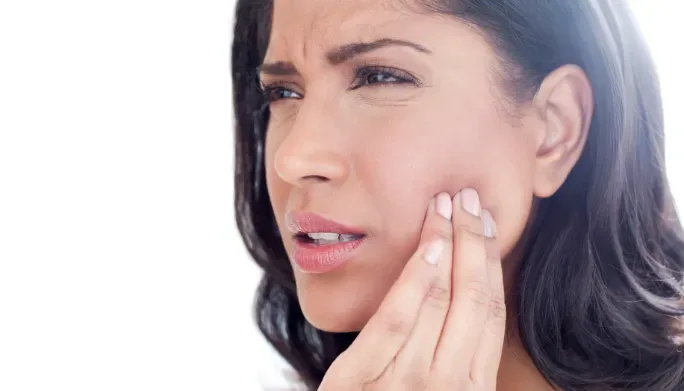
Grinding or clenching the teeth, often during sleep or under stress, places sustained, excessive load on the jaw joint and its muscles. Over time that overload leads to pain, muscle fatigue, and joint irritation.
A forward head posture changes the resting position of the jaw and the muscles that control it, forcing the jaw joint to work harder to open and close correctly. This is one of the most overlooked and most treatable contributors to TMJ symptoms.
The muscles that open, close, and move the jaw side to side can become imbalanced from habits like chewing predominantly on one side or clenching patterns. That imbalance pulls the joint out of its normal alignment during movement.
The small cartilage disc that cushions the jaw joint can shift out of its normal position, which is often what causes clicking or popping sounds and, in some cases, locking. Addressing the surrounding muscle tension can improve how the joint tracks even when the disc itself is involved.
Emotional stress commonly shows up physically as jaw clenching and tightened facial and neck muscles, often without a person even noticing it's happening. Combined with awareness strategies, hands-on treatment can significantly reduce this pattern.
How physical therapy in Portland helps.
Treating TMJ dysfunction means treating the jaw, neck, and upper back together, since they share muscles and movement patterns and rarely improve in isolation. We use manual therapy to release tight jaw, neck, and facial muscles, restore normal joint mechanics, and reduce the compensation patterns that develop between the jaw and neck. We also address the postural and habitual factors, like clenching or one-sided chewing, that keep recreating the problem. For patients whose jaw pain is closely linked to their headaches, we coordinate care across both, but the jaw itself always gets its own dedicated treatment plan.
What to expect from your recovery.
Evaluation
We assess your jaw's movement, muscle tension, posture, and neck involvement to understand exactly what's driving your TMJ symptoms.
Hands-on release
We use manual therapy to release tight jaw, neck, and facial muscles and restore normal joint mechanics, easing pain, clicking, and restricted opening.
Retraining and prevention
We address the postural habits and muscle imbalances that caused the problem and build a home routine that keeps symptoms from returning.
Caring, attentive staff, and were able to get me in same-day when I had an acute issue and I felt better immediately after.
Pain rarely travels alone.
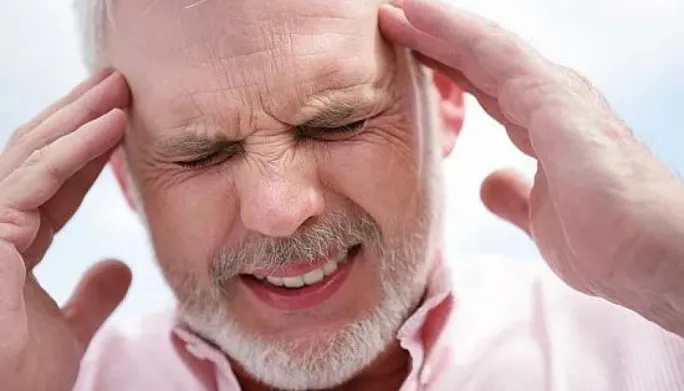
Headaches
Jaw tension is a common headache trigger. When both are present, treating them together resolves symptoms faster than either alone.
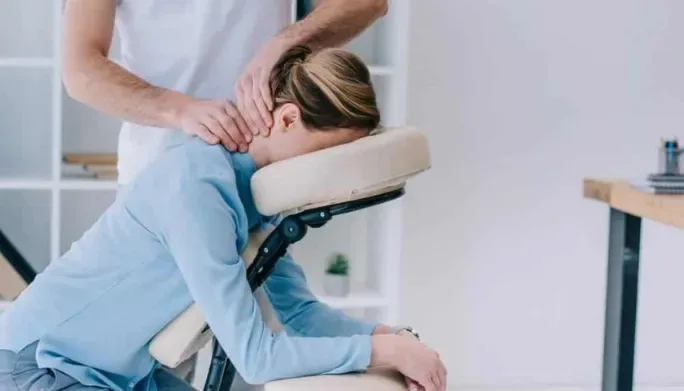
Neck Pain
The jaw and neck share muscles and movement patterns, so neck dysfunction and TMJ symptoms frequently travel together.
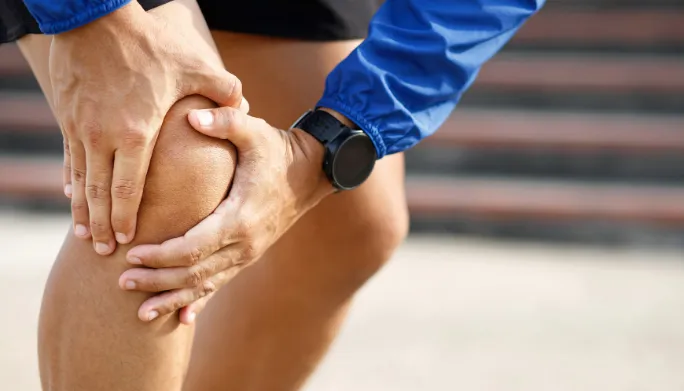
Joint Pain
The jaw is a joint like any other, and it responds to the same hands-on, mechanics-focused approach we use throughout the body.
Ready when you are.
Saturday - Sunday: Closed