Stroke Recovery Therapy in Portland
A stroke can change how your body moves, balances, and coordinates in an instant. Physical therapy is where much of that function gets rebuilt, one deliberate, repeated movement at a time.
What causes lasting movement problems after a stroke?
A stroke interrupts blood flow to part of the brain, and depending on which area is affected, it can disrupt strength, coordination, balance, and sensation on one side of the body. The good news is that the brain retains a real capacity to rewire itself after injury, a process called neuroplasticity, and it responds directly to the repetition and challenge that structured physical therapy provides.
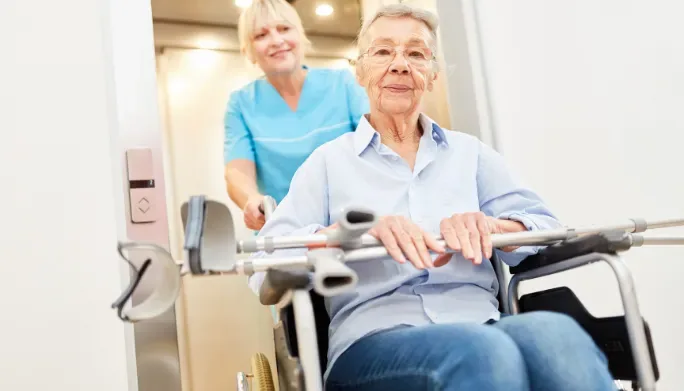
Damage to the brain's motor control centers often leaves one side of the body significantly weaker than the other. That weakness affects everything from standing up to taking a step, and it responds to targeted, repetitive strengthening in ways that improve with consistent practice.
Stroke frequently affects the brain's ability to coordinate the muscles needed for balance, which is why falls are a major concern in recovery. Balance-specific training directly challenges and retrains the systems that keep you upright.
Some stroke survivors develop increased muscle tone, or spasticity, in the affected limb, while others experience decreased tone. Both patterns interfere with normal movement and both benefit from specific stretching, positioning, and movement strategies.
Weakness and coordination changes often combine into a distinctive walking pattern that increases fall risk and energy cost. Gait training retrains a safer, more efficient pattern step by step.
The period immediately after a stroke often involves significant time in bed or in a wheelchair, which adds general weakness and deconditioning on top of the neurological deficits. Getting moving safely and consistently is part of what drives real recovery.
How physical therapy in Portland helps.
Stroke rehabilitation is built around repetition, challenge, and consistency, the ingredients that actually drive the brain's capacity to rewire itself after injury. We work on regaining strength and control on the affected side, retraining balance and walking patterns, and building the coordination needed for daily tasks. Every plan is built around your specific deficits and your goals, whether that's walking independently, returning to a hobby, or managing stairs at home safely. We also coordinate closely with any other providers involved in your recovery.
What to expect from your recovery.
Evaluation
We assess strength, balance, coordination, and walking pattern on both sides of the body, and talk with you about the specific goals that matter most to your daily life.
Rebuilding movement and balance
We use repetitive, targeted exercise to rebuild strength and coordination on the affected side and retrain balance reactions that reduce fall risk.
Functional independence
We progress toward the walking, transfers, and daily tasks that matter most to you, building the consistency and confidence needed for lasting independence.
Highly recommend! Welcoming and efficient front desk staff made it easy to do intake, and my physical therapist Bijay is fantastic. He takes the time to translate everything clearly so I always understood my treatment plan.
Pain rarely travels alone.
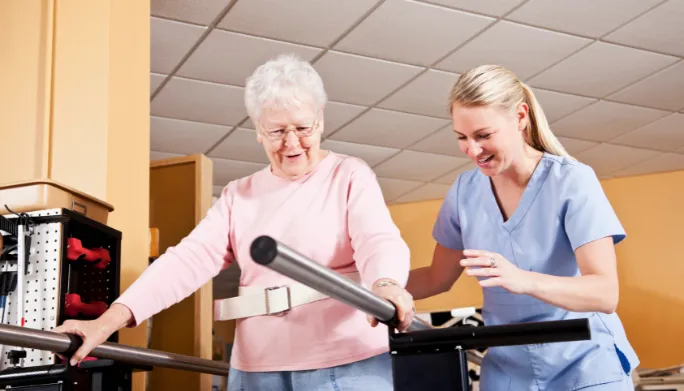
Balance & Gait Disorders
Balance and walking changes are common after a stroke and respond to the same structured, progressive training.
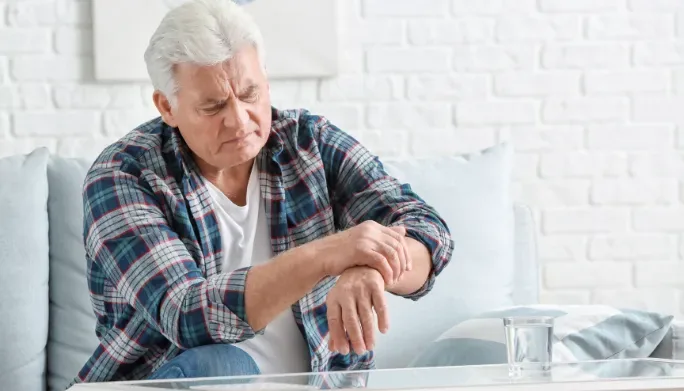
Parkinson's
Stroke and Parkinson's both affect movement through the nervous system. Both benefit from the same repetitive, movement-based approach.
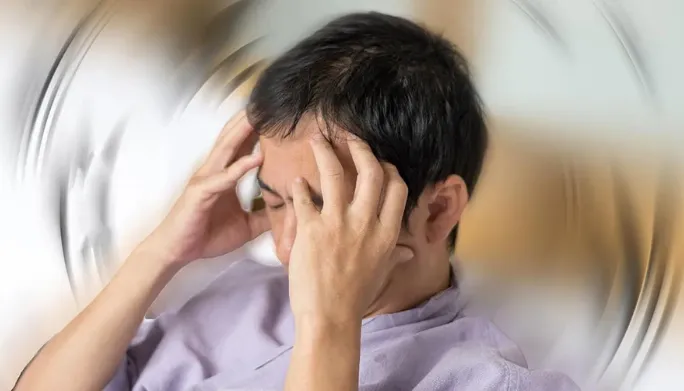
Dizziness & Vertigo
Balance and coordination concerns after a stroke often overlap with dizziness, and we evaluate both together.
Ready when you are.
Saturday - Sunday: Closed