Plantar Fasciitis Relief in Portland
That stabbing pain in your heel with the first steps out of bed has a name and a fix. Plantar fasciitis responds well to the right combination of hands-on treatment and a loading plan built for how your foot actually moves.
What causes plantar fasciitis?
The plantar fascia is a thick band of tissue that runs along the bottom of your foot, supporting the arch with every step. When it's overloaded faster than it can adapt, small tears and irritation develop at its attachment near the heel, which is what produces that sharp first-step pain.
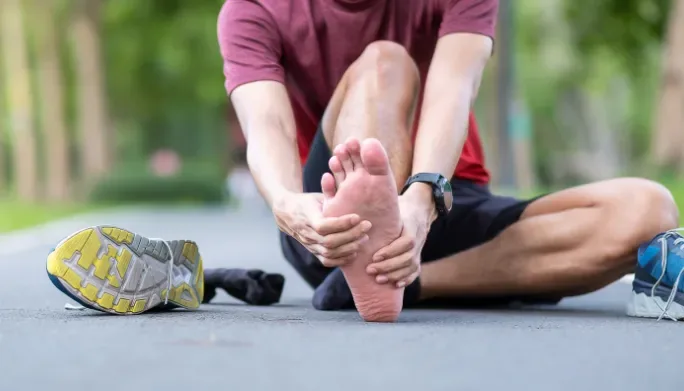
A new walking or running routine, a job that suddenly has you on your feet all day, or a big jump in training volume can overload the plantar fascia before it's had time to adapt. That mismatch between load and tissue capacity is one of the most common triggers.
Limited ankle flexibility forces the foot to compensate, which increases strain through the plantar fascia with every step. Tight calf muscles are one of the most consistent findings in people with plantar fasciitis, and addressing them is often central to lasting relief.
Both very flat feet and very high arches change how load moves across the foot with each step, and either pattern can put extra strain on the plantar fascia. Understanding your specific foot mechanics shapes what treatment and footwear will actually help.
Jobs or routines that involve long hours standing or walking on concrete or tile keep the plantar fascia under constant low-grade stress. Without adequate recovery time, that steady load adds up to irritation and pain.
The small muscles inside the foot and the calf muscles share the job of supporting the arch with the plantar fascia. When those muscles are weak, the fascia absorbs a larger share of the load than it's built for, which accelerates the irritation.

How physical therapy in Portland helps.
Plantar fasciitis responds best to a combination of hands-on treatment and progressive loading, not just rest and ice. We use manual therapy to address tight calf muscles and restricted ankle motion, then build a graded strengthening and stretching program for the foot and calf that lets the fascia adapt and heal rather than staying chronically irritated. We also look at footwear and activity patterns that may be feeding the problem. Most people see real, lasting improvement without needing injections or surgery.
What to expect from your recovery.
Evaluation
We assess your foot mechanics, ankle mobility, calf flexibility, and walking pattern to identify exactly what's driving your heel pain.
Hands-on relief and mobility
We release tight calf muscles and restricted ankle motion with manual therapy, easing the daily strain on the plantar fascia and reducing that sharp first-step pain.
Progressive strengthening
We build strength in the foot and calf so the fascia can handle your normal activity without flaring up again, and guide your return to walking, standing, or running pain-free.
I cannot say enough wonderful things about this practice, especially their scheduling team. From the very first phone call, they were kind, patient, and incredibly professional.
Pain rarely travels alone.
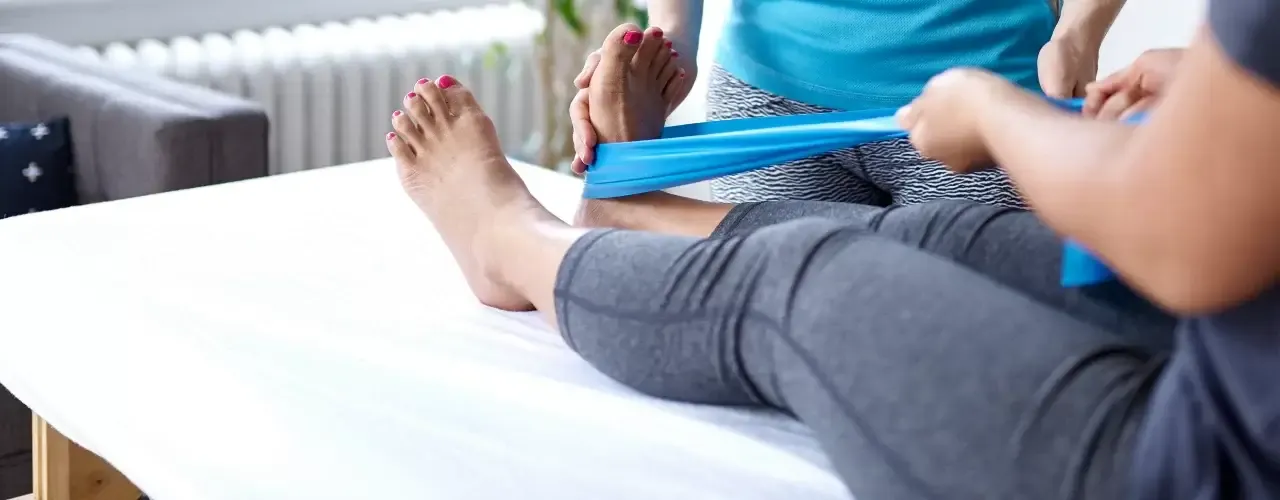
Foot & Ankle Pain
Plantar fasciitis is one specific driver of foot and ankle pain, and we look at the whole foot to make sure nothing else is contributing.

Tendinitis
Plantar fasciitis behaves like a tendon overuse injury. The same progressive loading approach applies to both.

Sports Injuries
Runners and athletes are especially prone to plantar fasciitis. We build a return-to-training plan that protects the fascia going forward.
Ready when you are.
Saturday - Sunday: Closed