Knee Replacement Recovery in Portland
The new joint is in. Now the knee has to relearn how to bend, straighten, and bear your full weight without hesitation. The therapy that follows knee replacement surgery is what turns a successful operation into a knee you forget about again.
What slows down recovery after knee replacement surgery?
The knee is designed to bend fully and lock out straight with every step. After a replacement, both of those motions have to be earned back through consistent, guided work, or the joint settles into a stiff, guarded pattern that is much harder to correct later.
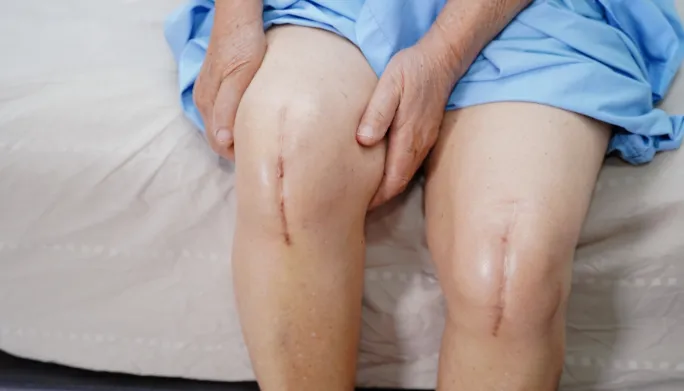
Swelling after knee surgery is expected, but if motion isn't restored early, the tissue around the joint tightens as it heals. Losing even a few degrees of bend or straighten in those first weeks can be difficult to regain months later.
The quadriceps muscle shuts down reflexively around a surgical knee, a response sometimes called quad inhibition. Without deliberate retraining, that weakness leaves the knee feeling unstable and makes stairs and uneven ground feel unsafe long after the incision has healed.
Patients naturally protect a new knee by taking shorter steps or leaning away from it. That guarding pattern can become a habit that outlasts the actual healing, leaving you with a limp that has nothing to do with the joint itself anymore.
Months of favoring the painful knee before surgery often leave the opposite hip, knee, and low back overloaded. Those areas need attention too, or they become the next source of pain once the new knee is doing its job.
Walking without pain is not the same as having a knee strong enough for stairs, uneven ground, or a full day on your feet. Full recovery includes the strengthening phase, not just the phase where the pain goes away.
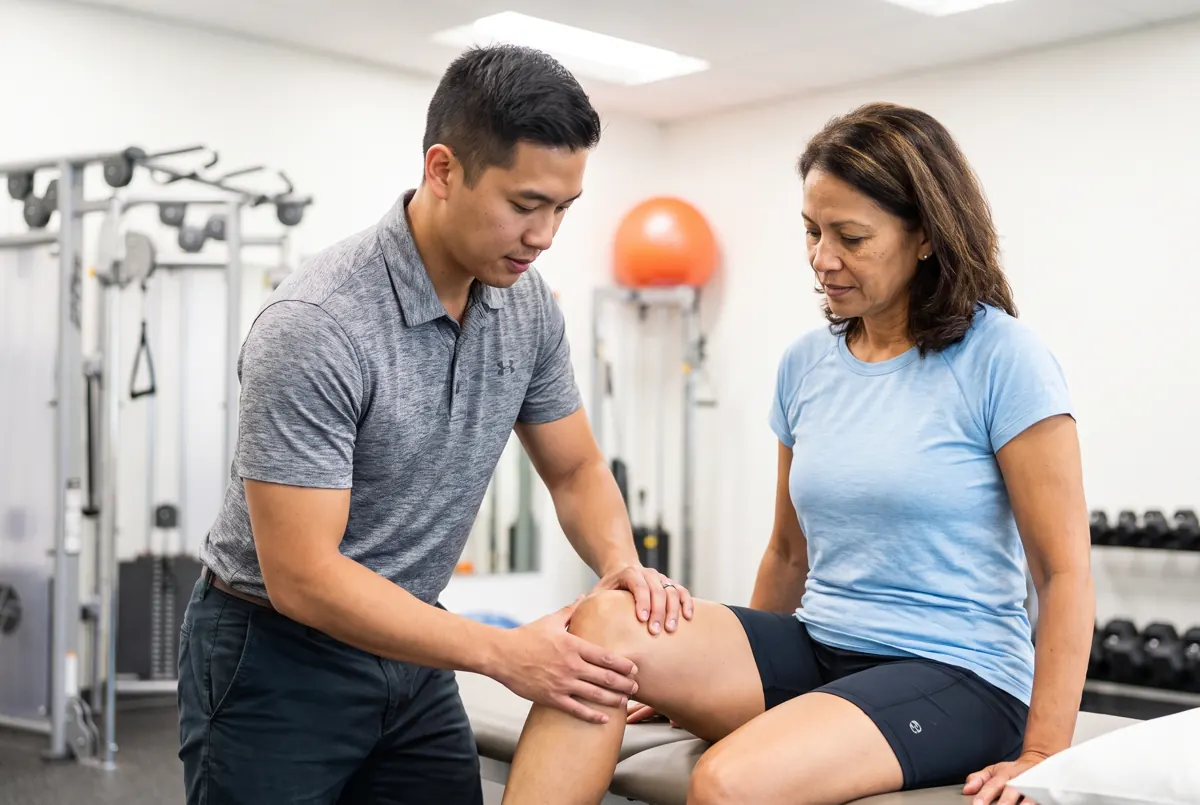
How physical therapy in Portland helps.
Knee replacement recovery follows a predictable arc, and we meet you wherever you are in it. In the early weeks, we focus on regaining full bend and straighten, controlling swelling, and getting your quad firing again so your gait doesn't default to a limp. As healing progresses, we build real strength through the quad, hamstrings, and hip, add balance and stair training, and gradually reintroduce the activities that matter to you, whether that's walking the dog, gardening, or getting back on the pickleball court. Every plan accounts for your surgeon's protocol and your specific progress, not a generic timeline.
What to expect from your recovery.
Evaluation
We measure your current bend, straighten, swelling, and strength, and review your surgeon's precautions. You get a clear plan for what the next several weeks of recovery actually look like.
Motion and swelling control
We work to restore full range of motion and manage swelling while retraining your quad to fire correctly again, so your walking pattern normalizes instead of settling into a limp.
Strength and return to activity
We build progressive strength through the leg and hip, add stair and balance training, and guide you back to the specific activities you want your new knee ready for.
Caring, attentive staff, and were able to get me in same-day when I had an acute issue and I felt better immediately after. Amazed at how much progress I made in the following days.
Pain rarely travels alone.
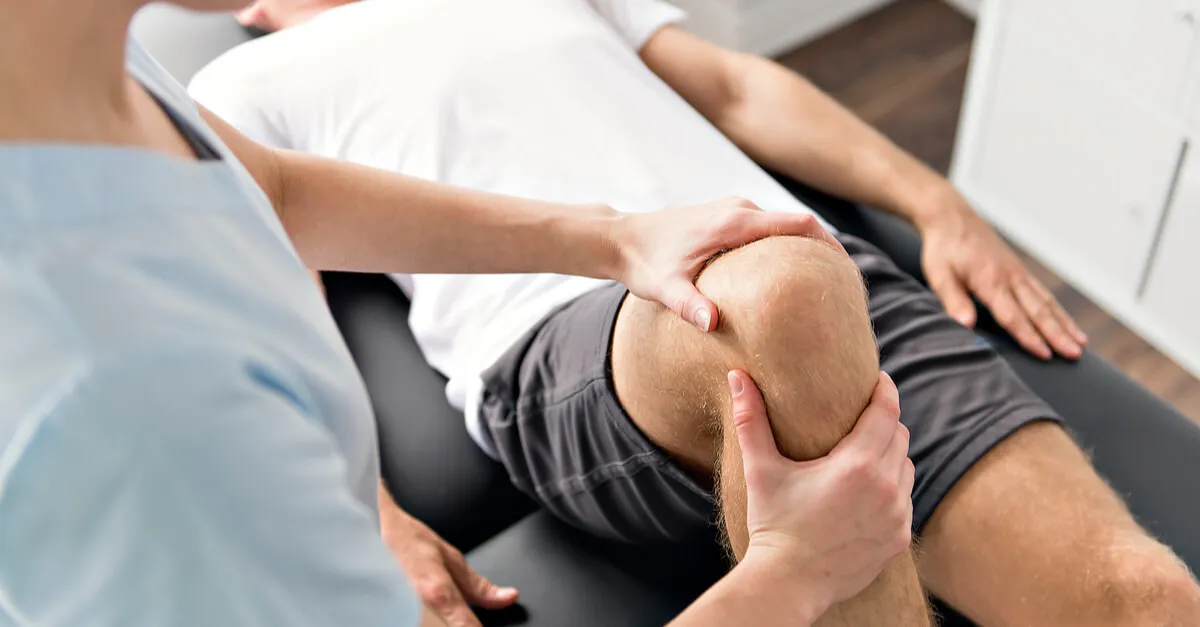
Hip & Knee Pain
Hip and knee mechanics work together with every step. We check both so your new knee isn't compensating for a problem elsewhere.
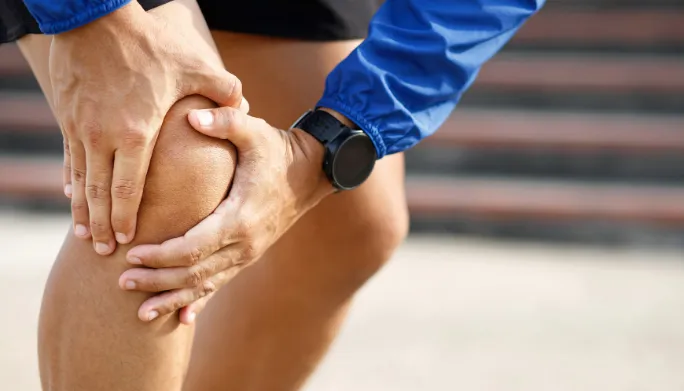
Joint Pain
General stiffness and swelling in a joint respond to the same hands-on, progressive approach we use through knee replacement recovery.
Sports Injuries
Getting back to golf, pickleball, or hiking after a knee replacement uses the same return-to-activity planning we use for sports injuries.
Ready when you are.
Saturday - Sunday: Closed