ACL Tear Rehab in Portland
If you play or train, an ACL injury feels like the end of your season. It is not. A structured rehab plan is what separates a comeback from sitting out.
What causes ACL tears?
ACL tears happen in a split second, but they are rarely random. They come from the forces your knee cannot manage, the landing patterns it never learned to handle, and the muscles that do not yet support the sport you are asking them to play. Understanding what sets you up for injury is how we build you back stronger.
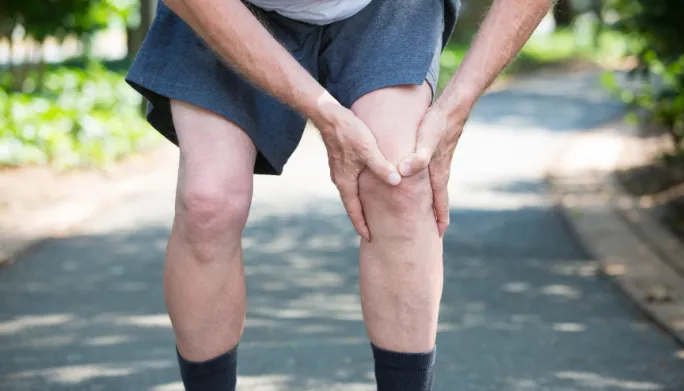
A hard plant of the foot, a sudden change of direction, or a spin while your weight is locked in place puts huge rotational force through the knee. The ACL is the primary brake for that force. When the deceleration is too fast or the muscles are not ready, the ligament bears all the load and fails. Sports like soccer, basketball, and football load this pattern constantly.
Slamming on the brakes requires the quadriceps and ACL to work together to slow the knee's forward motion. If your quad is weak, tired, or not firing fast enough, the ligament absorbs the full impact. This is why players often tear their ACL late in a game or practice, when fatigue sets in and muscle control drops off.
Landing flat-footed or with your knee collapsing inward multiplies the stress on the ACL. Good landing mechanics involve bending at the hips and knees, landing on the front of your foot, and keeping your knee tracking over your toes. Bad mechanics are learned, and they can be unlearned through focused training.
Once you tear an ACL, the other knee becomes higher risk. This is not because the first injury weakened you everywhere. It is because the movement patterns and muscle imbalances that led to the first tear do not disappear on their own. Retraining movement and building equal strength on both sides is essential to prevent a second tear.
The muscles around your knee are its shock absorbers and stabilizers. If your glutes and quads are weak, out of balance, or fatigued, they cannot control the forces that come with cutting and jumping. You rely on the ligament instead. Building balanced, durable strength is how you make the knee injury-proof.
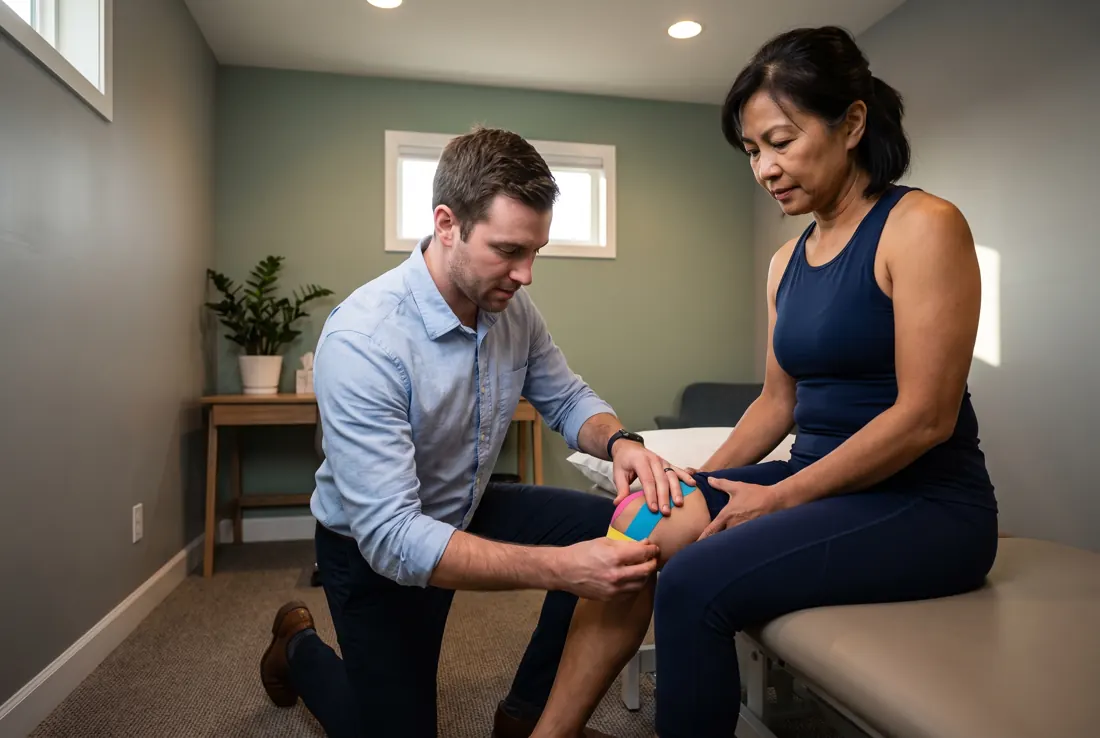
How physical therapy in Portland helps.
ACL rehab is not about being cautious. It is about being smart. The goal is to return you to your sport stronger and more resilient than before the injury. Early on, we control swelling and restore basic knee motion through hands-on therapy and gentle movement. Once that foundation is solid, the real work begins: restoring strength, rebuilding the neuromuscular control that keeps your knee stable during cuts and jumps, and retraining the movement patterns that got you injured in the first place. This is one-on-one work with a therapist who understands the demands of your sport. You do not get a checklist. You get a plan that evolves as your strength does. When you are ready, we progress you back to sport-specific training so your return is not just a comeback. It is a genuine upgrade.
What to expect from your recovery.
Evaluation and early protection
Your first visit is a thorough assessment of your knee's stability, swelling, and range of motion. We guide you through early movement to protect the ligament while restoring function. You leave knowing the roadmap for return to sport.
Strength and stability training
We rebuild the muscles around your knee through progressive resistance work and proprioceptive training. Your quads, glutes, and hip stabilizers learn to control your knee again, so the ligament does not have to do it alone. This is where the lasting protection comes from.
Sport-specific return to activity
As strength builds, we add agility, plyometrics, and sport-specific drills. We train the movement patterns of your sport so your comeback is not just safe, it is confident. You return when your neuromuscular control matches the demands you are asking of your knee.
Doing PT at PT 360 was great! Candis was super knowledgeable and was able to answer all of my questions. She also understood my goals, return to soccer, and helped me get there quickly and efficiently.
Pain rarely travels alone.
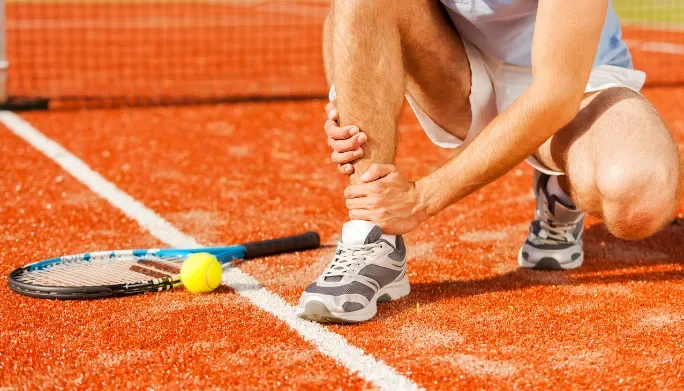
Sports Injuries
Whether it is a tackle, a fall, or overuse, sports injuries need sport-informed treatment. We get you back in the game.
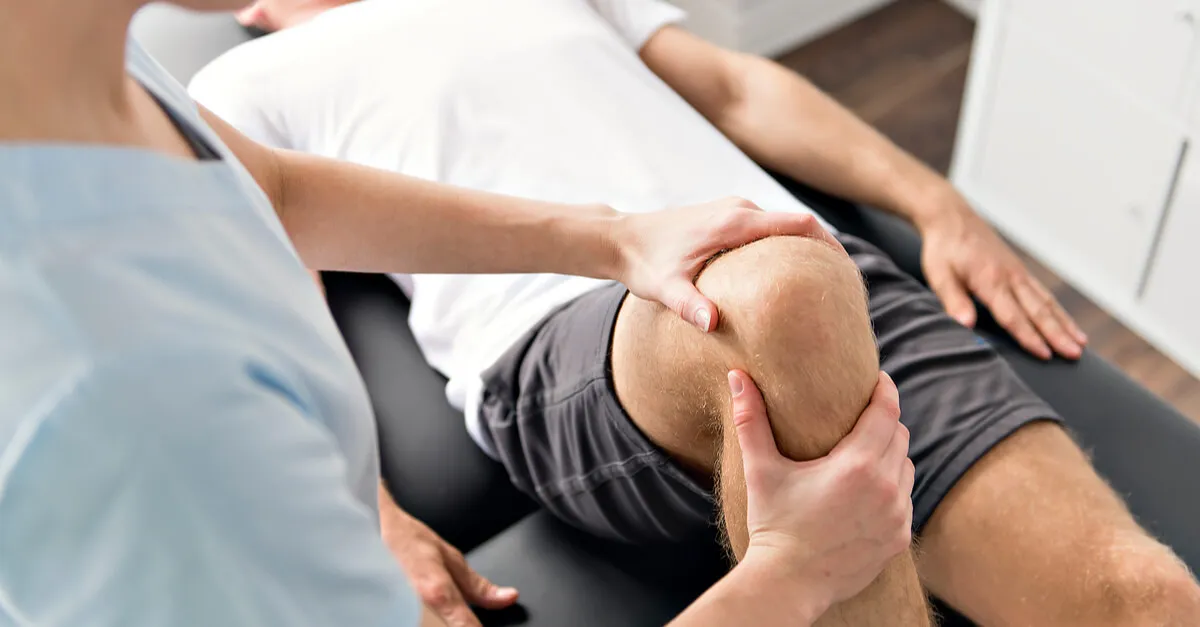
Hip & Knee Pain
Hip and knee injuries often go hand in hand. We treat the whole kinetic chain.
Joint Pain
Stiff, unstable joints limit what you can do. We restore mechanics and build strength.
Ready when you are.
Saturday - Sunday: Closed